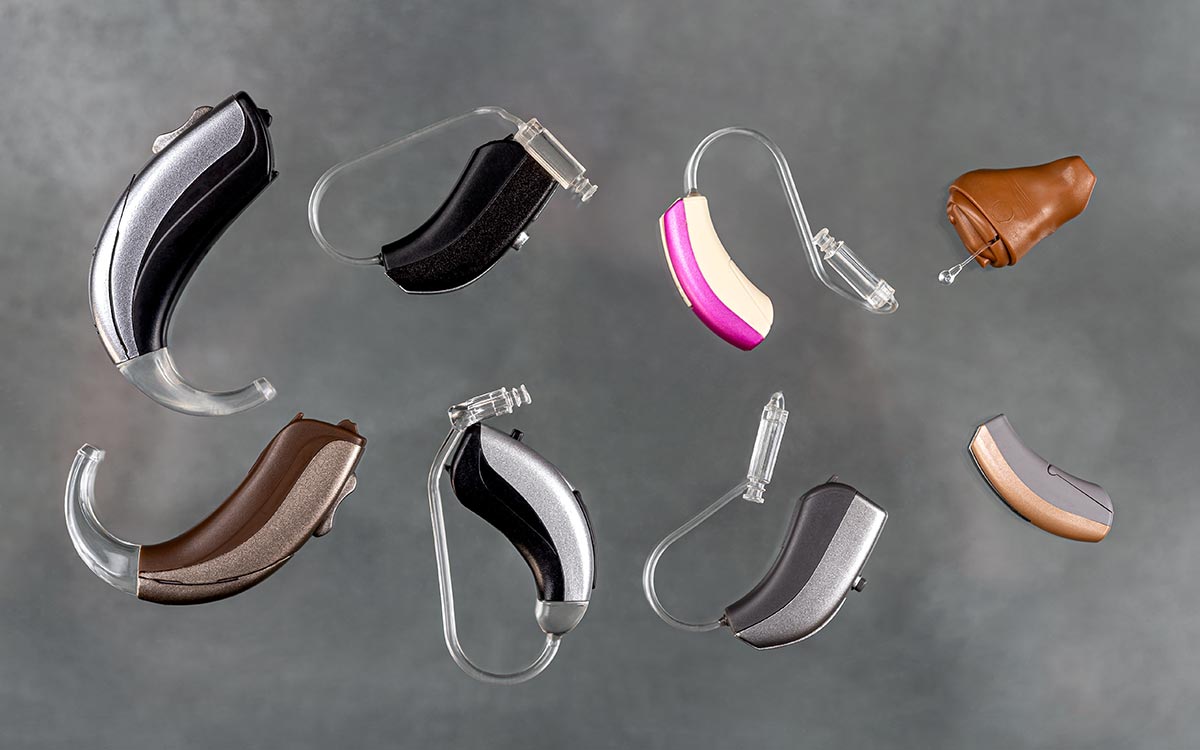
Choosing a hearing aid can feel daunting, especially when today’s units come in so many styles, sizes, and technology levels. But no matter your needs, there’s a hearing solution for every lifestyle, preference, and degree of hearing loss. The key is simply choosing the one that fits you best.
By learning about the distinctions between various hearing aid models, you can move forward with greater confidence and knowledge. Today, we’re breaking down the various hearing aid styles and what makes each one unique.
The ITC (In-the-Canal) Style Explained
The Meaning:
ITC hearing aids sit partly in the ear canal, with an inconspicuous portion visible at the outer ear.
Why people choose them:
- Less apparent than standard full-size models
- Specifically shaped to the user’s ear for a better fit
- An effective choice for those with moderate hearing needs
These devices are frequently suggested for novices due to their effective mix of subtle design and user-friendly functions.
Ultra-Discreet IIC Aids
What they are:
These are the smallest custom-made units on the market today. These devices sit so deeply inside the ear that they are nearly impossible to see.
Primary Motivations:
- The best option for users prioritizing appearance
- Microphone placement helps mimic the ear’s natural sound collection
- So light and small that users often don’t notice they are wearing them
The small form size of IIC models renders them perfect for mild hearing loss and anyone who values an invisible hearing solution.
Full and Half-Shell ITE Varieties
What they are:
These models fill either the complete or bottom half of the outer ear bowl. The shell is uniquely molded to the specific contours of your individual ear.
The Advantages:
- Increased size allows for more capabilities and longer battery life
- Ideal for individuals who find smaller devices hard to manipulate
- An adaptable option that can address even significant levels of hearing loss
Many patients pick ITE devices because they offer an integrated, self-contained design that doesn’t hook over the ear.
Behind-the-Ear (BTE) Hearing Aids
Technical Detail:
Positioned firmly on the back of the ear, BTE models sit on the outer ridge. Audio travels into the ear canal through a small tube or custom earmold.
Key Advantages:
- Offers a long-lasting and versatile solution for various environments
- Provides a wide range of amplification suitable for nearly any user
- Big enough to house sophisticated software and modern rechargeable technology
If you require a robust hearing aid that is simple to operate and offers high-power output, the BTE style is ideal.
Modern RIC Models
Component Layout:
While they match BTE units, RIC aids set the speaker directly in the canal for better sound delivery.
Why they are popular:
- Highly natural sound quality
- Users appreciate the slim profile and comfortable fit for all-day use
- Great for multiple levels of hearing loss
RIC units are extremely common today because they balance appearance with powerful functionality.
Extended-Wear Device Facts
What they are:
These devices are inserted far in the ear canal by an audiology professional and can stay in place for several weeks at a time.
The Draw:
- Provides an effortless journey with no daily maintenance required
- Offers an entirely discreet solution for hearing health
- You can move about your entire life—including sports and rest—while wearing them
These models are the best choice for an effortless, seamless hearing experience.
Smart Hearing Aids with Wireless
Tech Specs:
Bluetooth-ready hearing aids enable a wireless digital bridge between your hearing technology and your smart devices.
Modern Perks:
- Send calls, music, and audio straight to the hearing aids
- Adjust settings through an app
- Provides the ultimate in convenience for those who use smartphones regularly
Most contemporary RIC, BTE, and ITC hearing aids now offer an advanced version.
Alternative Implantable Solutions
Procedure Info:
A surgical solution that works by shaking the tiny bones inside the ear to provide amplified audio.
Why patients choose them:
- Option for people who cannot use traditional hearing aids
- This is a specialized choice for those with chronic ear canal sensitivity.
These devices need an exhaustive medical review by an ear, nose, and throat expert.
Choosing the Right Style for Yourself
Selecting a hearing aid is a personal process that takes into account your hearing severity, lifestyle habits, and visual preferences. An expert can provide the support needed to test out different styles and find the one that fits your life perfectly.
Start moving toward an environment of better sound by arranging an appointment with a hearing specialist. This simple action is the foundation for improved hearing and better connections with those around you.
Sources:
https://www.mayoclinic.org/diseases-conditions/hearing-loss/in-depth/hearing-aids/art-
20044116
https://www.hearinglife.com/hearing-aids/types
https://www.nidcd.nih.gov/health/hearing-aids