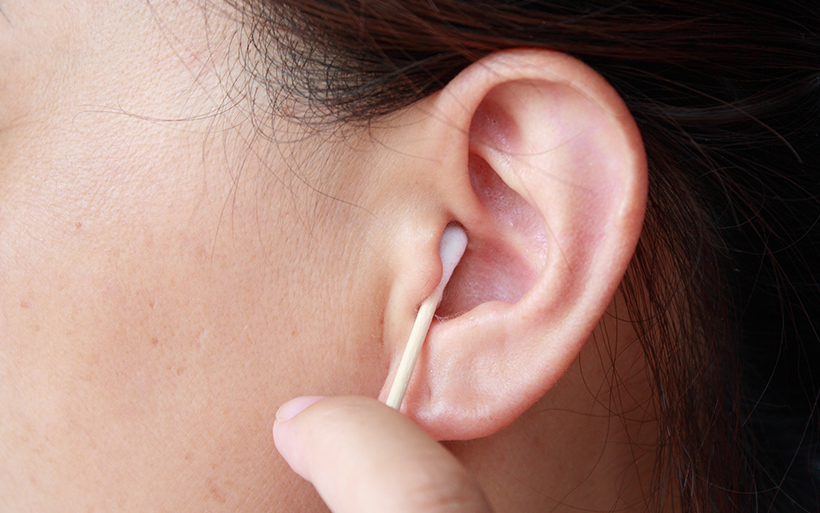
Muffled hearing can affect every facet of your life, leaving you feeling disoriented and disconnected from the world around you. It is typical to assume that muted sound signifies long-term hearing deficiency, but the problem is often just a resolvable cerumen obstruction.
Grasping the difference between earwax buildup vs. auditory loss can help you know when a quick fix is possible and when it’s time to request a hearing evaluation. In the event you are experiencing dull hearing, remain calm. A professional assessment will deliver the final answer, but the following guide details the main variations between blockage-based issues and permanent loss.
How to Identify a Wax Blockage
Cerumen is essentially a healthy, natural secretion designed to shield the ear canal from dust and foreign debris. Problems arise when too much wax builds up or becomes clogged.
Standard markers of an obstruction include:
- A noticeable reduction in hearing level
- The perception that there is a mechanical obstruction in the canal
- Canal irritation or slight pain
- Buzzing in the ear (tinnitus)
- Sound clarity that shifts or improves momentarily with jaw movement
A hallmark of blockage-based sound fluctuations is asymmetry, usually impacting one side more than the other. The positive aspect is that clinical clearance usually ends in an immediate restoration of your natural hearing capacity.
Identifying the Markers of Irreversible Hearing Loss
Permanent hearing changes, often caused by aging or loud environments, are gradual and persist even if the ear is perfectly clean.
Common indicators of permanent hearing impairment consist of:
- Difficulty understanding conversation, especially in noisy settings
- A constant requirement for others to articulate more distinctly or loudly
- Turning up the television or smartphone volume higher than others desire
- Diminished responsiveness to higher-pitched sound signals
- Two-sided hearing shifts that impact both ears at once
Contrasted with cerumen impaction, auditory impairment doesn’t typically induce a sensation of blockage or pressure.
Contrasting Wax Buildup and Hearing Loss
By looking at the timing and specific markers, you can often determine which issue is impacting you:
- Progression: Obstructions can feel instant, while hearing loss is almost always gradual
- Sustainability: Clogs are a fast fix, while nerve loss needs ongoing management
- Sensations: Fullness and irritation indicate wax; speech clarity challenges suggest loss
- Symmetry: Clogs are frequently asymmetrical, but permanent loss is commonly bilateral
The Dangers of DIY Ear Cleaning
Numerous people make the mistake of attempting to clear a perceived blockage themselves using probes or home items. Unfortunately, these can shove wax further in and exacerbate the problem.
Clinical research indicates that self-cleaning often leads to unintended damage or more complex blockages.
Delaying a clinical evaluation for real hearing loss can result in missing out on solutions that protect your future cognitive and communal health.
What to Expect During a Formal Appointment
A quick professional exam is the only way to confirm if wax is actually the source of your dull auditory issues.
If wax is present, clinical removal often resolves signs immediately.
If no cerumen is found, a formal hearing test will be used to identify the nature and extent of any hidden impairment.
Health experts suggest seeking a clinical evaluation as promptly as you observe hearing fluctuations that impact your lifestyle.
Finding the Right Solution for Better Sound Quality
Feeling like auditory signals are muted doesn’t always indicate a permanent change.
In numerous cases, cerumen accumulation is the source, and it’s extremely treatable.
Obtaining professional attention ensures you locate the exact source and the proper remedy for your hearing requirements.
In the end, an audiology exam is the only certain way to distinguish between a temporary blockage and a permanent change.
Addressing the concern immediately halts the stress of the unknown and puts you on the track to improved auditory function.
If you’ve observed a shift in your auditory ability, reach out to our office for a professional evaluation today.