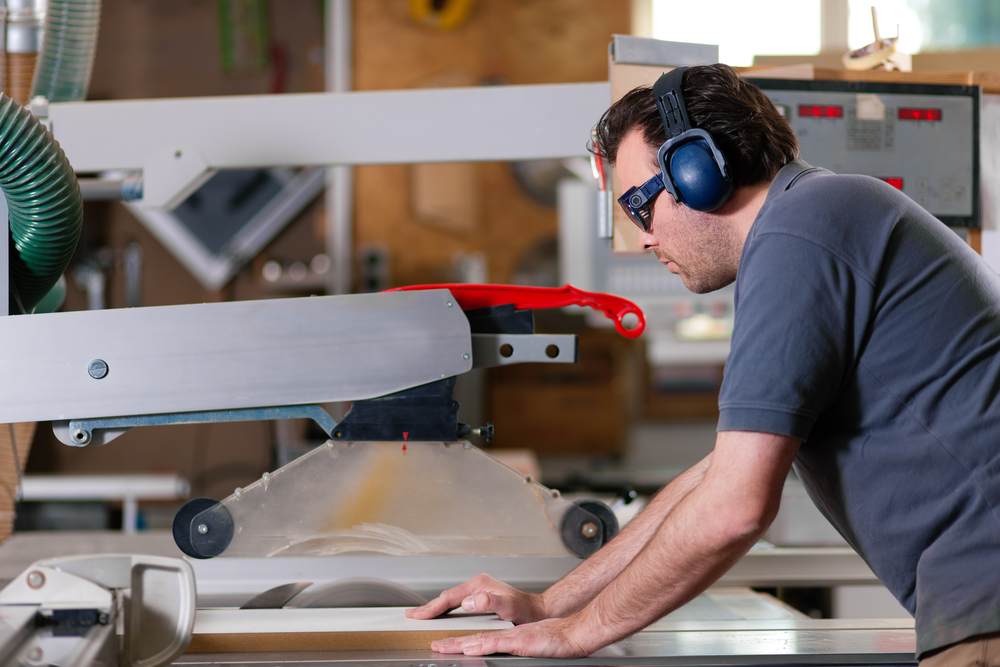
Exposure to noise for sustained periods poses a considerable risk to your auditory health, particularly in locations where the sound volume exceeds safety thresholds. It is vital to shield your ears, not just to avoid hearing damage, but also to help you concentrate in loud environments. Therefore, what steps should you take to choose the ideal hearing protection level tailored to your situation?
Gaining understanding into sound intensity and its consequences
The consequences of noise exposure aren’t just about volume but also the duration of exposure. dB’s are the critical measurement unit for noise, measuring the volume of sound. Sounds at 85 dB and beyond can result in hearing impairment, particularly when exposure is prolonged.
As a frame of reference, 85 dB is approximately the same volume as the sound of city traffic heard from within a car. While this may not seem overly loud, uninterrupted exposure for eight hours can start to damage your hearing. The safe period of exposure becomes shorter when the sound is louder:
- 90 dB (Lawnmower): Up to 4 hours of exposure can be harmful.
- Limit your exposure to 100 dB (Power tools) to less than 1 hour.
- Only 15 minutes of exposure to 110 dB (like a Leaf blower) is enough to cause harm.
- 120 dB (Rock concert): Any exposure at this level can damage your hearing.
- A sound level of 140 dB (Jet engine) can cause instant pain and damage.
Pinpointing noise levels that pose a hazard
If you’re routinely exposed to noise levels of 85 dB or more, wearing hearing protection is essential. The need for protection is increased in work settings, including plants and construction, or in any place where engines, gear, or devices create significant noise.
Hearing protection is also beneficial outside of the job; pursuits like attending music shows, operating leaf blowers, or participating in shooting sports can subject you to unsafe sound levels.
The role of Noise Reduction Ratings (the NRR) in selection
The Noise Reduction Rating (the NRR) is the key metric used to measure how well hearing protection works. Stated in decibels, this figure shows the degree of sound reduction the protective device is capable of blocking. The larger the NRR, the superior the protection against noise. An illustration is a pair of earplugs with a 30 dB NRR, which could lower an 85 dB sound to 55 dB, thereby keeping you securely within the limits of safe exposure.
When making your decision, consider the particular noise intensity you are facing and verify that the protection reduces the sound below the 85 dB threshold.
Comfort is essential for long-term use of protection
Although the NRR is essential, comfort is just as important for guaranteeing that the protection will be worn consistently over time. An uncomfortable or awkward protective unit raises the inclination to remove it, which exposes your ears to harmful noise.
Choosing well-fitting hearing protection results in consistent wear, thus lowering the danger that you will be exposed to noise intermittently. If, for instance, earmuffs feel uncomfortable or are too heavy, you are likely to take them off intermittently, resulting in dangerous noise exposure.
Exploring the different types of ear protection
Hearing protection comes in several forms, each with its pros and cons:
- Foam Earplugs are worn in the ear canal and deliver excellent protection; they are disposable and light, but not everyone finds them comfortable.
- Being reusable and resting just outside the ear canal, Pre-Molded Earplugs are a more sustainable choice and are also easier to insert and remove than foam earplugs.
- Earmuffs enclose the ear completely; they are best for varying noise environments because of their ease of removal and donning. A common disadvantage is that they can feel warm or heavy with continuous wear.
The perfect type of protection to choose is determined by your own comfort and the demands of the environment you are in. For illustration, workers in construction may prefer the convenience of earmuffs, while factory staff might select earplugs for continuous wear.
Ensuring continuous use
The most effective hearing protection is the one you’ll wear continuously. Any interruption in use, even for a short period of minutes, can have lasting effects for your hearing health. Therefore, it is vital to find a product that offers the optimal balance of protection, comfort, and convenience.
Safeguard your hearing for the coming years
While noise is always present in our daily lives, using the proper hearing protection allows you to shield your ears and continue to enjoy the sounds of the world.
Reach out to us today to review your risk of noise-related hearing loss and how to most effectively protect your hearing health.